erwin Data Modeler
erwin Data Modeler 15.1 introduces instant automated model generation and industry specific guidance; simplifying modeling and accelerating delivery.
Mastering data modeling: Simplifying today’s complex data challenges
1. Data governance and compliance
erwin Data Modeler lays the groundwork for building strong data governance frameworks that ensure data quality, consistency, and regulatory compliance. The erwin data modeling tool equips organizations with the tools to seamlessly integrate data from various sources while standardizing definitions and formats. This solution reduces risk, guarantees compliance and fosters consistent data usage across the organization, breaking down data silos and enhancing data accessibility and interoperability.
- Data literacy, collaboration and accountability
- Enterprise Glossary
- Git integration and version control
- Standardization across entire data landscape
2. Migration and modernization
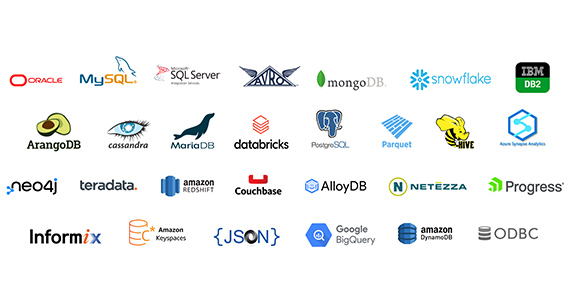
erwin Data Modeler ensures accurate data mapping, transformation and integration across both legacy systems and new platforms, supporting a wide range of databases and cloud environments. By providing a comprehensive view of data architecture, it helps identify dependencies and optimize migration processes. This approach reduces the risk of data loss, minimizes downtime, and maintains data integrity throughout transitions, leading to more efficient and successful modernization projects. Consequently, businesses can confidently and agilely adopt new technologies and infrastructures.
- Data source integrations and support
- Simplified de-normalization/normalization across data sources
- Reverse engineering capabilities
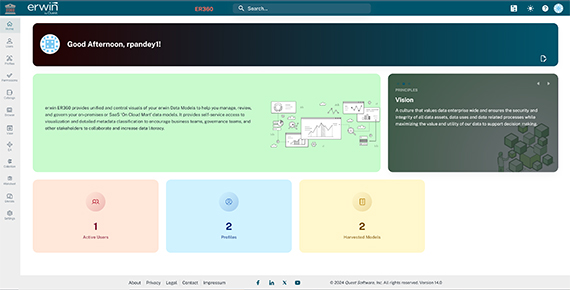
3. Improved data visibility and understanding
erwin Data Modeler empowers users to create detailed data models that visually
clarify data structures and relationships. This solution enhances understanding and communication among stakeholders, leading to more informed decision-making and improved collaboration across the organization.
- Intuitive and customizable user interface
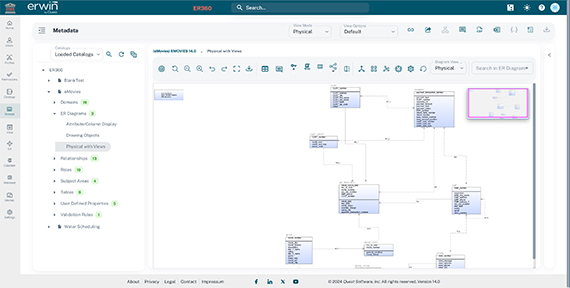
- erwin ER360 visualization and collaboration portal
- Quick, efficient complete compare
- erwin Mart on Cloud SaaS offering
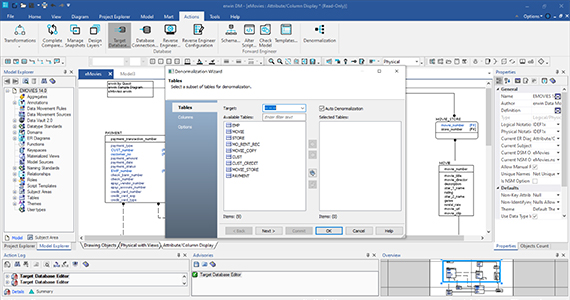
4. Efficient database design and optimization
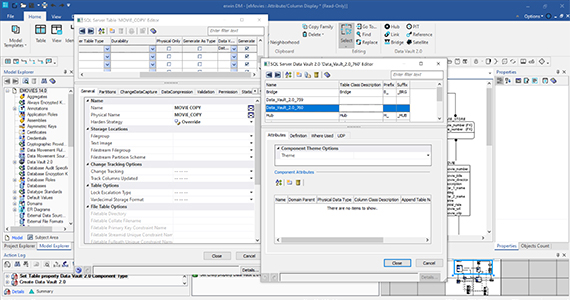
erwin Data Modeler optimizes database performance across your organization by enabling efficient design, development and validation through advanced data modeling tools. This solution reduces development time and costs, ensures scalability and creates database architectures that are easier to maintain, ultimately driving better performance and long-term efficiency.
- Enhanced NoSQL denormalization automation
- Standardized data architecture
- Bulk editing of large data model components
What the erwin data modeling tool can do for you
Visualization of any data from anywhere
Automated data model & database schema generation
Centralized model development & management
Data literacy, collaboration & accountability
Agile application development
Increased data quality
Reduced risks & costs
Successful cloud adoption
Seamless integration across data sources with erwin Data Modeler